
01Recurring
Opening + 3 Om + prayer / mantra
How the class begins.
Sit. Settle. Three Oms, a short prayer or mantra, and name the day's theme in a sentence or two. The ritual never changes; the theme is the doorway.
For Satsang teachers
A follow-along sequence, every class. The teacher holds the shape; the theme gives it colour. No course to teach — just a practice to do together.
The intent
Not a course to teach. A practice to do together.
The teacher demonstrates the flow, keeps giving clear instructions, and notes limits for beginners or injuries while moving. The teaching rides inside the movement.
The recurring parts
The order stays the same. The weight of each block changes with the day — see below.
The parts
Learn the vocabulary once. The daily plans below tell you how much of each.
How the class begins.
Sit. Settle. Three Oms, a short prayer or mantra, and name the day's theme in a sentence or two. The ritual never changes; the theme is the doorway.
The body block.
Follow-along asana. Some days strong, some days light or restorative. The teacher demonstrates and, while moving, clearly offers limits for beginners, injuries, pregnancy, and medical conditions. Every cue ends with permission: do only what you can safely do today.
Working with prana.
Breathwork on most days; a proper pranayam block on Thursdays; a wildcard practice block on Wednesdays that may be breath-led, movement-led, or meditation-led. Short, clear, felt.
Sound together.
A short Om chant. Out loud, then softer, then silent. Let the vibration carry the mind inward.
Letting it land.
Savasana or seated quiet. No technique, no fix. The practice completes itself here.
Protecting your students
Satsang is a spiritual practice, not a medical service. Teachers must keep the container safe so the practice can go deep. State limits clearly and often.
End every strong or inverted shape with: 'If this does not feel safe for your body today, do the modification or rest. Do only what you can do safely.' Never assume silence means consent.
Pregnancy, glaucoma, uncontrolled blood pressure, recent surgery, herniated disc, heart conditions, epilepsy, and severe anxiety. Avoid or adapt deep twists, inversions, breath retention, kapalabhati, and vigorous shaking.
Show one modification before the full pose. Say: 'If you cannot reach this, try this. If that is too much, sit and breathe with us. You are still doing the practice.'
Teach kapalabhati, bhastrika, and any breath retention as optional. Contraindicate strongly for pregnancy, high blood pressure, heart disease, and anxiety disorders. Give a simple silent-breath alternative.
Shaking and dancing are powerful. Tell students to stop if they feel dizzy, nauseous, or emotionally overwhelmed. Offer seated shaking or still witnessing as alternatives.
You cannot diagnose. Say: 'If you have an injury or condition, please check with your doctor and let me know before class if you are comfortable.' Keep it warm, non-judgemental, and brief.
Suggested opening line
"This practice is offered as a shared experience. Your body is your own teacher. If anything feels wrong — sharp, dizzy, breathless, or emotionally too much — stop or take the modification. Doing less is not doing nothing; it is doing what is wise today."
The week
Six 45-minute practices, Monday to Saturday. Same order every day — only the weight of each block shifts.
Begin the week in the body.
Same shape as Monday. Repetition is the teaching.
A different practice every week. The frame stays the same.
Same frame as Monday — slow, deep, and no closing Om.
Same frame as Monday — close the week in simple stillness.
Same opening, ten minutes of pranayam, then a long close.
A soft landing to close the week.
Your part
A deity, a season, an element, an emotion, a line from a poem — anything that gives the class a soul. Pick one for the day and let it colour how you speak, sequence, and close. The cards below are only starting points.
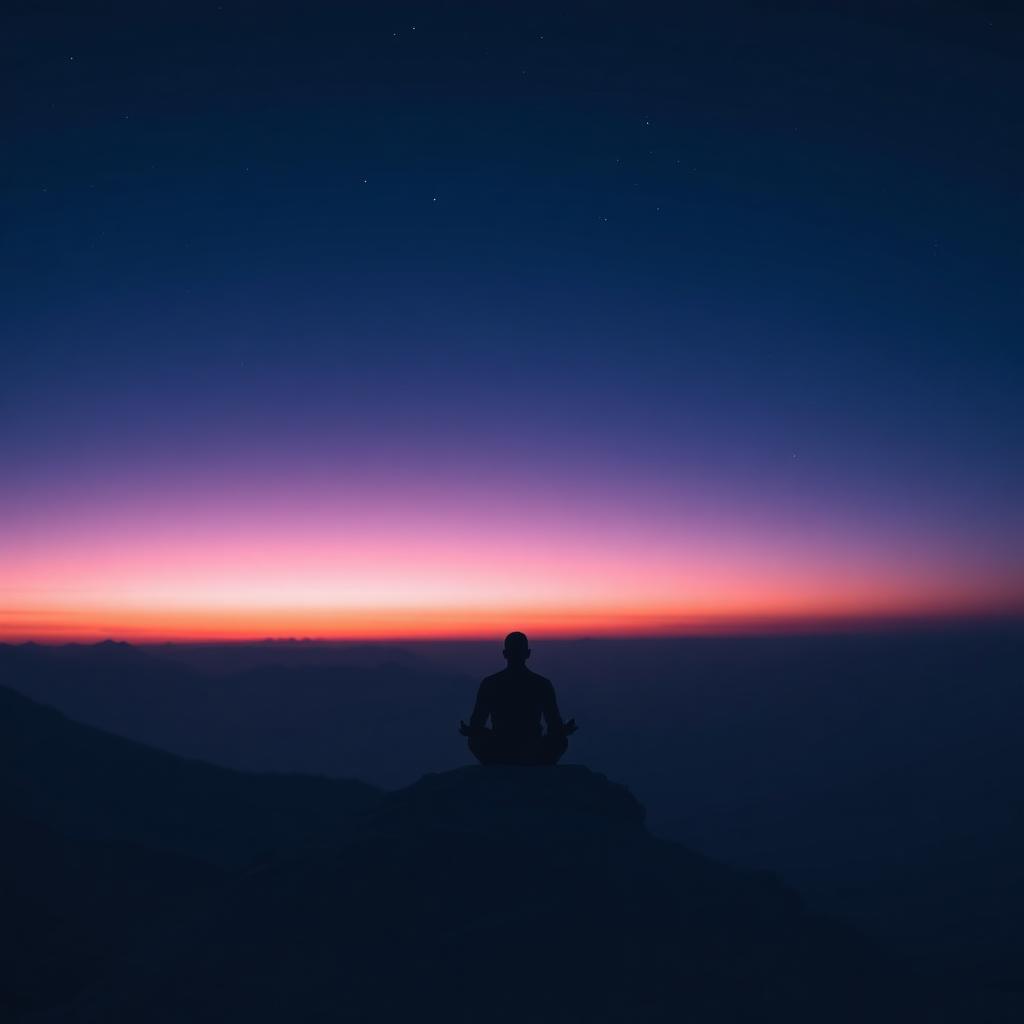
The still witness.

Primal force. The body as power.

Sweetness in motion.

Flow. Move like the river.
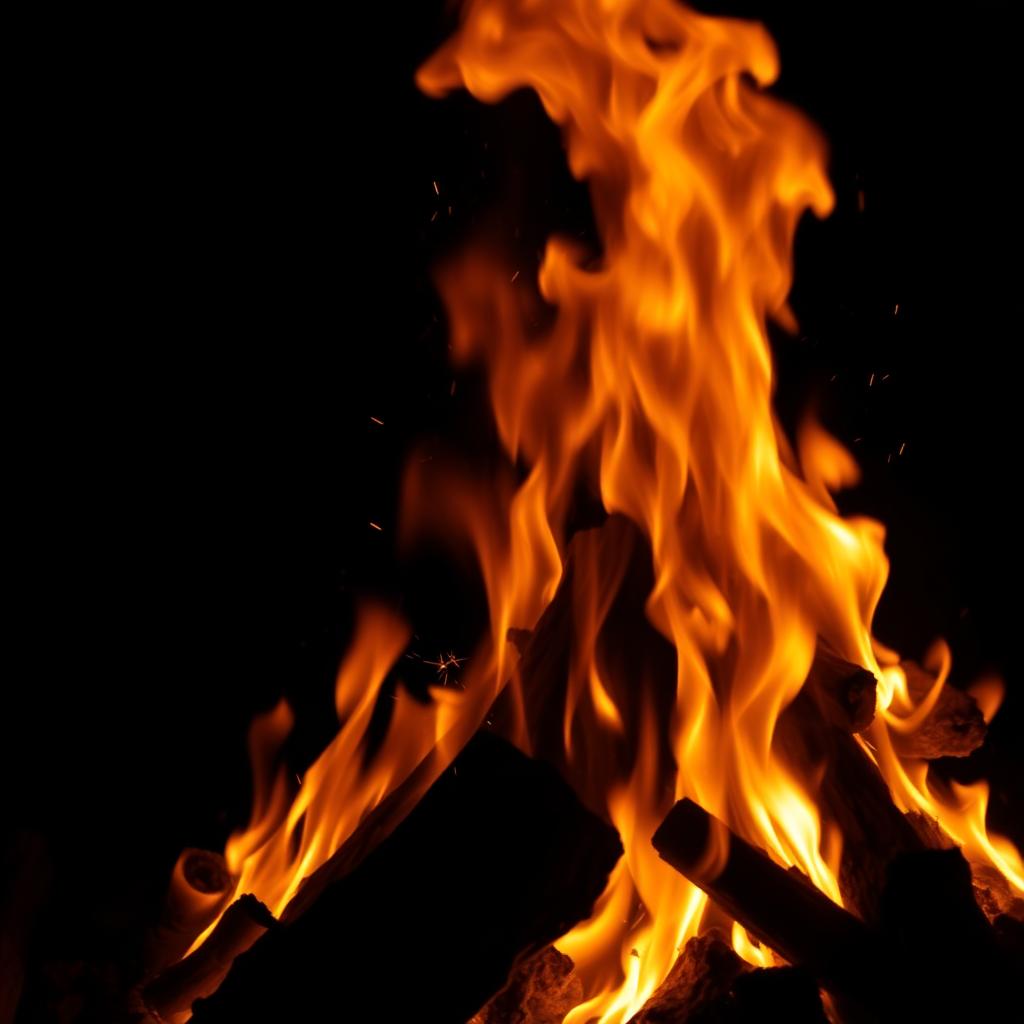
Tapas. The heat that transforms.
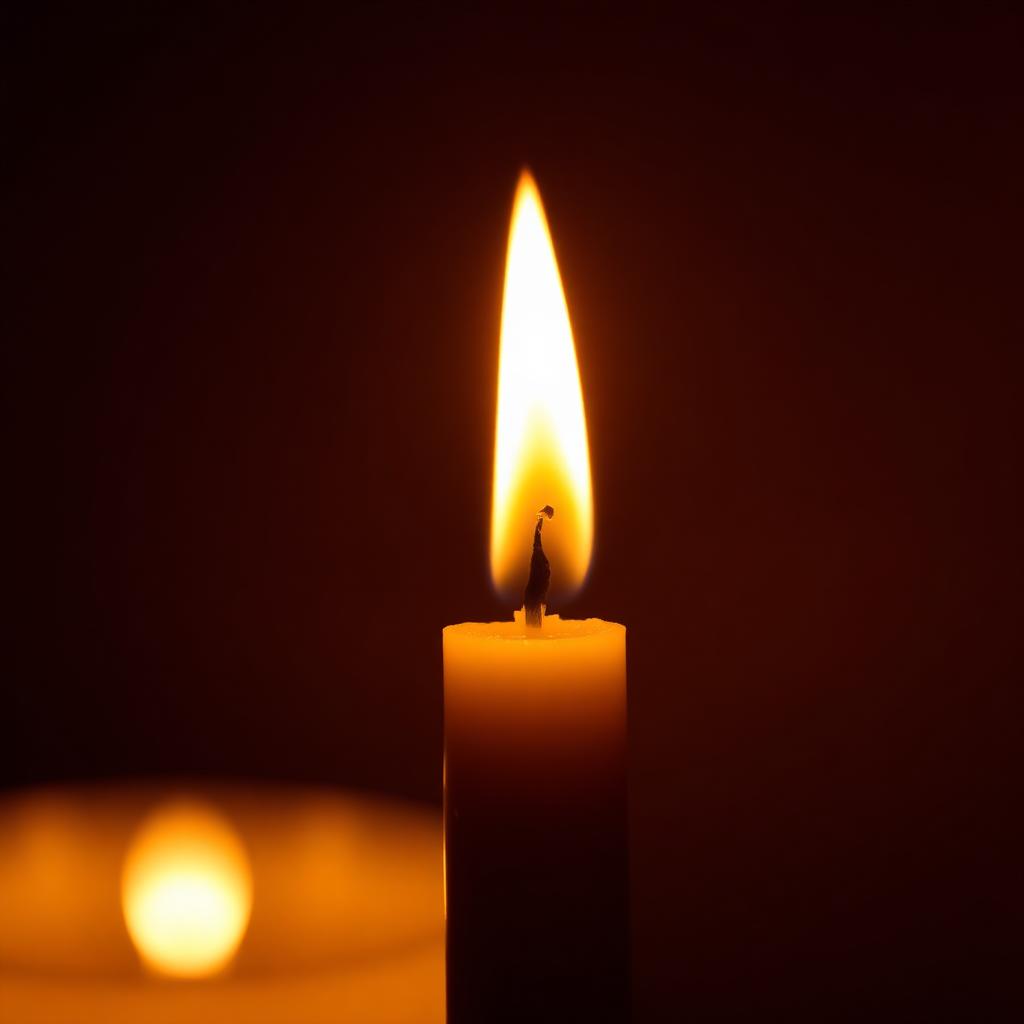
The mind as a steady flame.
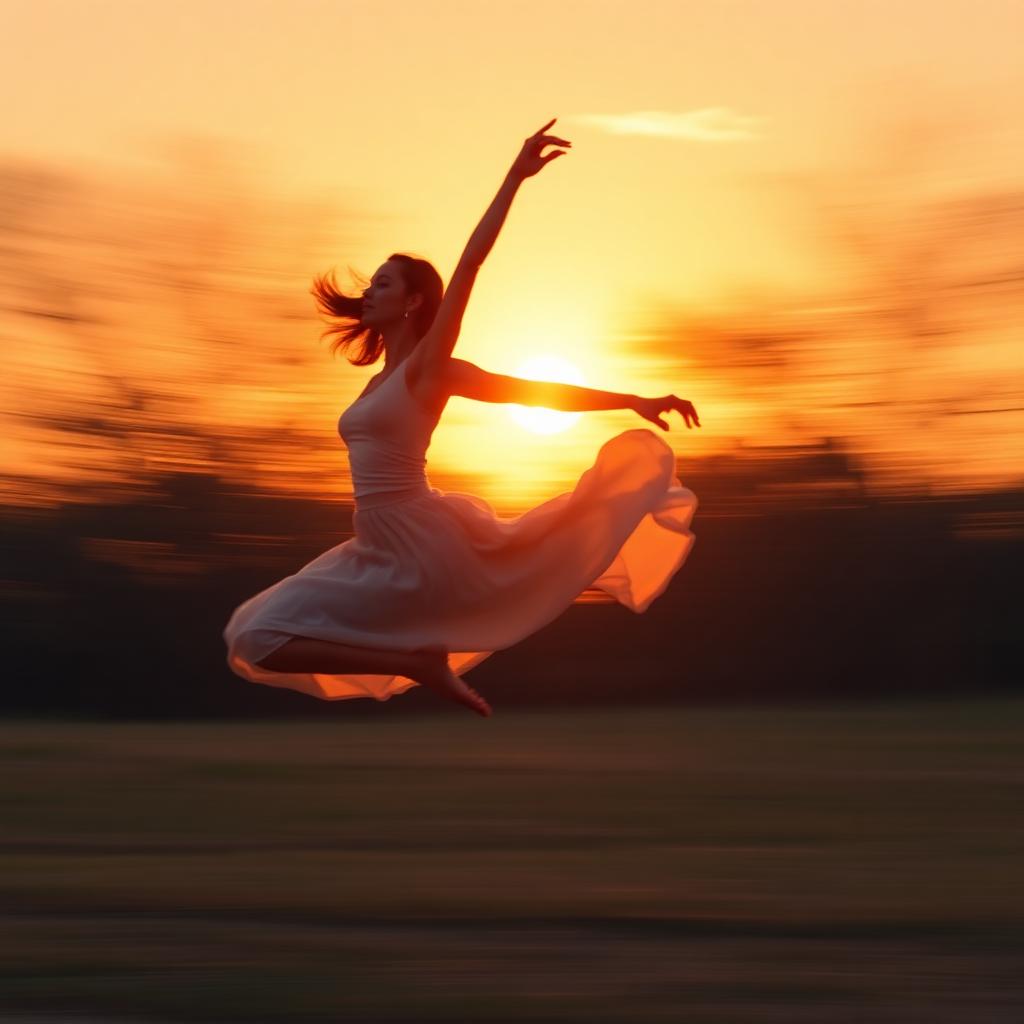
Listen through motion.

Inhale, exhale, remember.
The heart leads the shape.
Every breath a love letter.
Let go of the effort.
Do less. Become more.

Small, luminous, gone by noon.
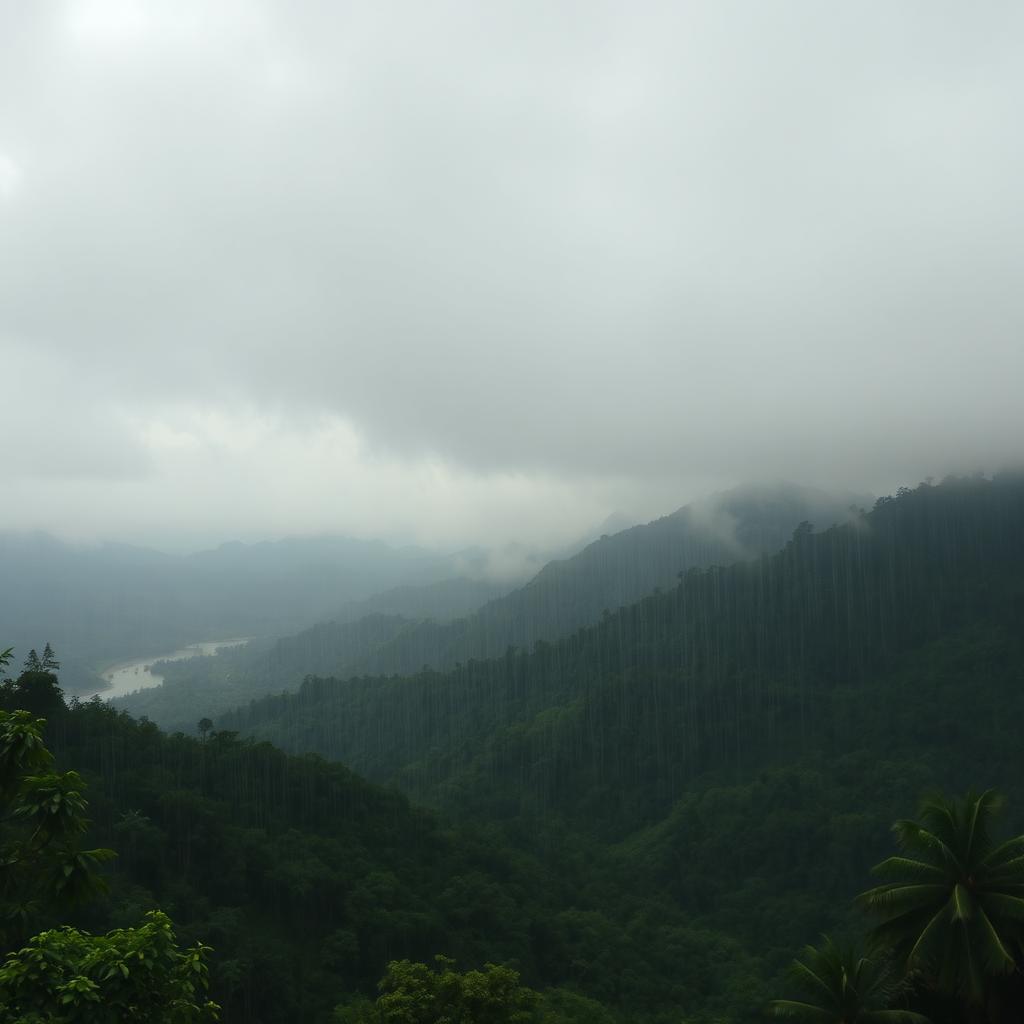
Arrive wild. Leave clean.
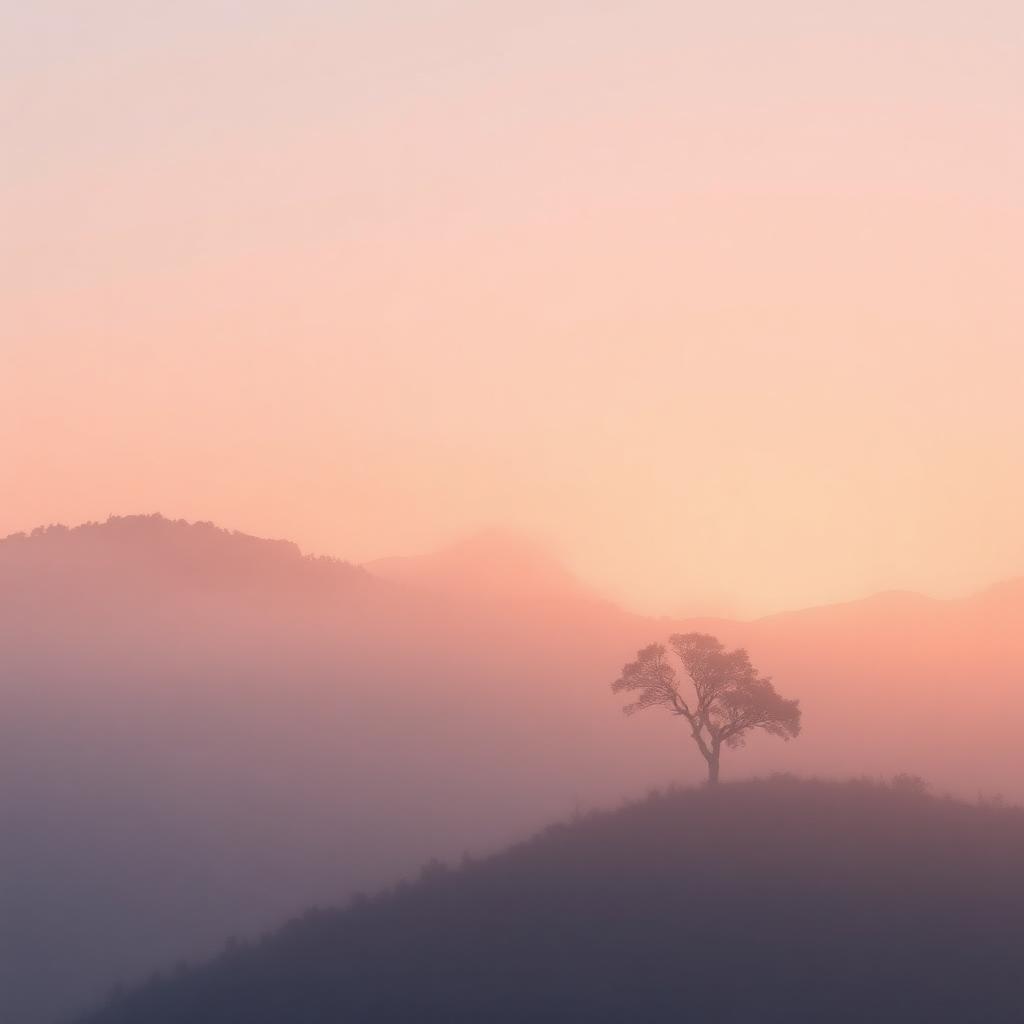
Practice as dawn.
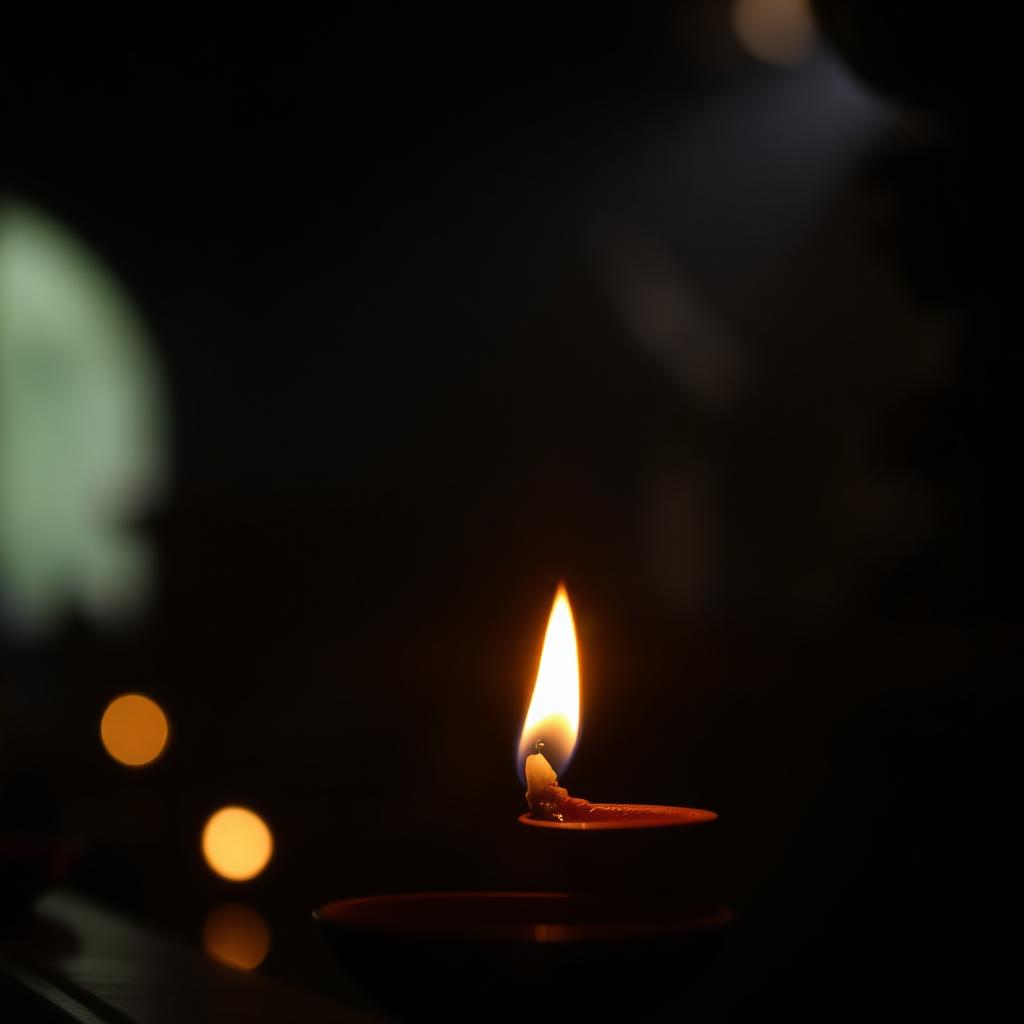
A single steady flame.

The pause between day and night.

Hold. Be held.
One theme per class. Let it colour how you speak, sequence, and close.
Putting it together
One for an asana practice day (Monday), four rotating Flow Lab sessions for Wednesday, and one for the restorative day (Saturday) — each with a theme and teacher script.
Monday
Theme · Fire
45 minOpening + 3 Om + prayer / mantra
Sit. Three Oms. A short prayer or mantra. Name the theme — fire — in two sentences.
'We begin the week in the body. Three Oms, a short prayer, and the theme: fire — the clean fire that clarifies, not the one that burns us out. Let the practice feed that flame.'
Asana practice
Two poses: warrior II and navasana. Repeat each side/round three times, with sun salutes between.
'Only two shapes today. Warrior in the legs, navasana in the belly. Return to each again and again — the fire is built by returning, not by adding.'
Pranayam / breathwork
Long 1:2 exhales. Cool the fire after the body has fed it.
'The flame is lit. Now the breath tends it. Inhale in, exhale twice as long. Let the fire settle to embers.'
Rest / meditation
Savasana. Watch the fire settle to a warm glow.
'Lie down. Nothing more to do. The fire has become warmth in the belly. Let it stay there for the rest of the day.'
Wednesday · Week 1
Theme · Agni
45 minOpening + 3 Om + prayer / mantra
Sit. Three Oms. Invocation. Theme: Agni — the fire that clarifies.
'Midweek we stoke the fire in a different way. Three Oms, a short prayer, and the theme: Agni — the heat that transforms without burning out. Let the practice feed that flame.'
Flow lab — Ashtanga vinyasa
Sun salutes to warm, then standing sequence, seated forward folds, and a short closing. Offer modifications for wrists, knees, and lower back.
'Move with the breath. One breath, one movement. This is a led flow, not a test. If a pose feels wrong today, take the modification. The heat comes from staying with the breath, not from forcing the shape.'
Pranayam / breathwork
The flow was movement-led, so we land with ten minutes of breath. Long exhales, cooling breaths.
'The fire is lit. Now the breath tends it. Inhale in, exhale twice as long. Let the fire settle to embers.'
Rest / meditation
Savasana. Let the fire settle to embers.
'Lie down. Nothing more to do. The fire has become warmth in the belly. Let it stay there.'
Wednesday · Week 2
Theme · Vayu
45 minOpening + 3 Om + prayer / mantra
Sit. Three Oms. Invocation. Theme: Vayu — the wind that moves everything.
'Today the body is only a doorway. Three Oms, a short prayer, and the theme: Vayu — the vital wind. We will work with the breath as the main practice.'
Flow lab — breathwork / pranayam journey
Arrival breath, then kapalabhati 3 rounds, nadi shodhana, and ujjayi with kumbhaka. Keep alternatives clear for pregnancy and blood pressure.
'First, land. Feel the breath move the ribs, the belly, the back. Then kapalabhati clears the channel, nadi shodhana balances the banks, and ujjayi with a gentle hold. If retention is not for you today, keep the breath smooth and continuous.'
Om chanting
The flow was breath-led, so we close the sound with Om. Om on the exhale — each round softer.
'Let the sound ride the breath. The chant is the breath made visible. Let it move through you and out.'
Rest / meditation
Savasana. Let the breath return to its natural rhythm.
'Lie still. The breath knows what to do. Let it find its own pace again.'
Wednesday · Week 3
Theme · Lotus
45 minOpening + 3 Om + prayer / mantra
Sit. Three Oms. Invocation. Theme: the lotus — roots in mud, flower open to light.
'Today we travel inward. Three Oms, a short prayer, and the theme: the lotus — every centre opens in its own time. We will move through the chakras with attention and sound.'
Flow lab — chakra meditation
Grounding breath, then move attention from root to crown, 2–3 minutes per centre, with a seed sound for each. Offer seated or lying options.
'Start at the root. Feel the weight, the support, the earth beneath you. At each centre, pause. Use the seed sound gently — Lam, Vam, Ram, Yam, Ham, Om. If a centre feels empty or full, simply notice it.'
Pranayam / breathwork
The flow was meditation-led, so we land with ten minutes of breath. Seated, whole body aware, let the centres settle.
'Now sit as one body. Do not trace the centres anymore. Let the whole system hum after the journey.'
Rest / meditation
Savasana. Rest after the inner journey.
'Lie down. You have travelled inward. Rest now. Let the body remember what it felt.'
Wednesday · Week 4
Theme · Spanda
45 minOpening + 3 Om + prayer / mantra
Sit. Three Oms. Invocation. Theme: Spanda — the subtle pulse, the throb of life.
'Today we move not to shape the body but to listen to it. Three Oms, a short prayer, and the theme: Spanda — the quiet pulse underneath every movement. Let the body lead.'
Flow lab — somatic movement
Gentle awakening, then free-form organic movement: shaking, crawling, spiralling, reaching. Offer seated alternatives and permission to stop anytime.
'No pose yet. Just circles, waves, and noticing. Then let the body move the way it wants to move. Shake, spiral, reach, curl. There is no wrong shape. If something feels too much, slow down or sit and witness.'
Pranayam / breathwork
The flow was movement-led, so we land with ten minutes of breath. Seated or lying, eyes closed, let the nervous system settle.
'Now stop moving. Let the body land exactly where it is. The stillness after movement is the teaching.'
Rest / meditation
Savasana. Let the body rest completely.
'Lie down. The body has spoken. Now give it silence. Let it rest fully.'
Saturday
Theme · Explore
45 minOpening + 3 Om + prayer / mantra
Sit. Three Oms. Invocation. Theme: Explore — a different craft each week.
'Saturday is the lab. Three Oms, a short prayer, and the theme: Explore — something new each week, but always on the spine of the practice.'
Guest craft / main practice
A rotating format: sound bath, yoga nidra, animal flow, mobility, Ayurveda, Vedanta circle, or similar.
'Enter the craft of the week. Follow the guest teacher's lead. Stay with the sensation, not the idea of it.'
Pranayam / breathwork
Bhramari or a simple settling breath — 10 minutes to let the craft land.
'Bhramari — the hum of a bee. Close the ears if you like. Feel the sound settle in the skull like fog settling in a valley.'
Rest / meditation
Savasana. Let the body rest completely.
'Lie down. The body has spoken. Now give it silence. Let it rest fully.'